Key takeaways
- A calorie deficit means average energy intake is below average energy expenditure over time.
- Day-to-day scale changes are not the same thing as changes in body fat.
- Aggressive restriction can make adherence, training and recovery harder.
- Food quality, protein, activity, sleep and routine all affect how practical a fat-loss plan feels.
A calorie deficit means average energy intake is lower than average energy expenditure over time. Fat loss is easier to sustain when the deficit is moderate and paired with a practical eating and activity routine.
The phrase calorie deficit gets used so often that it can sound like the whole fat-loss process. It is important, but it is only the energy-balance part of the story. In real life, people also have hunger, schedules, preferences, social meals, training and sleep to deal with. A plan that ignores those factors can be mathematically tidy and practically impossible.
What the deficit means
Your body uses energy for basic functions, movement, digestion and exercise. When average intake is lower than average expenditure over time, body mass tends to decrease. When intake and expenditure are roughly matched, weight tends to be more stable. The important phrase is over time because single days tell you very little.
Why the scale can move quickly
Body weight includes water, stored carbohydrate, food in the digestive tract and other tissues in addition to body fat. A salty meal, a large carbohydrate intake, hard training or a change in routine can move the scale even when body fat has not changed much.
A moderate approach is easier to live with
A smaller, manageable reduction in average intake can be easier to maintain than a dramatic cut. The right approach depends on the person, starting point and health context. There is no requirement to feel miserable for a plan to work.
Build meals that help control hunger
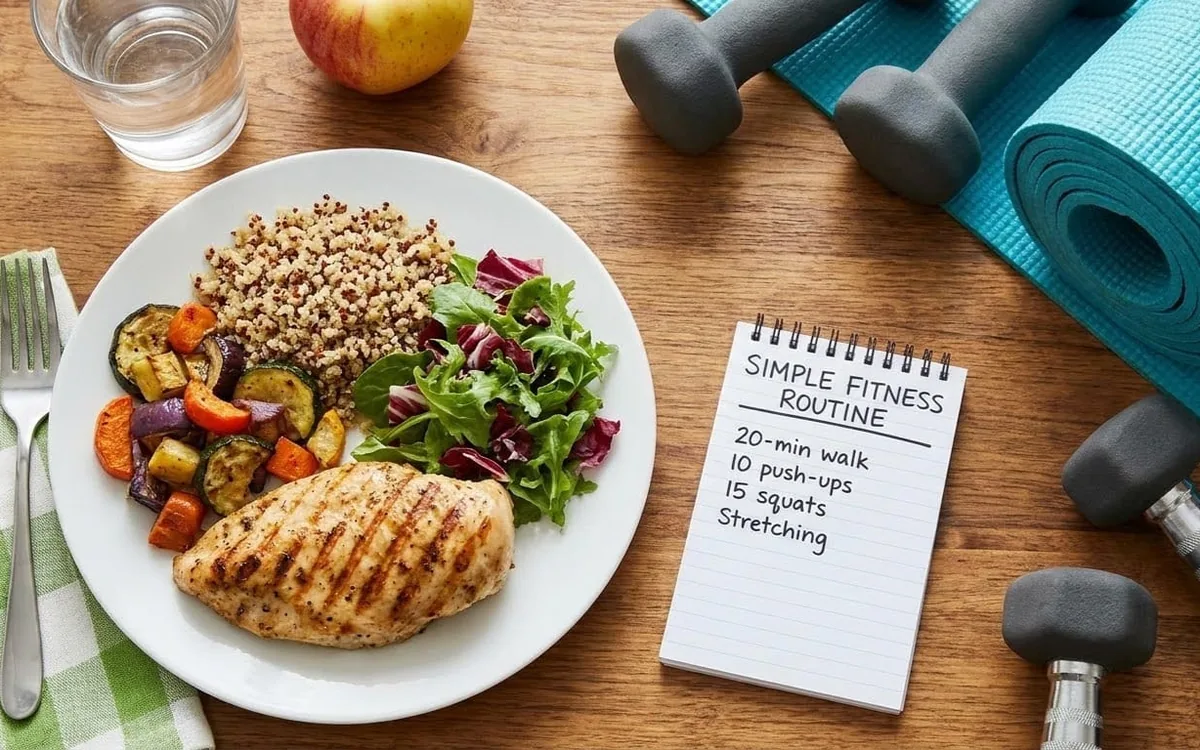
- Include a source of protein in main meals.
- Use fruit and vegetables to add volume and variety.
- Choose high-fiber foods regularly.
- Keep highly convenient snack foods portion-aware rather than pretending they do not exist.
- Drink enough fluid and notice whether you are eating because of hunger, habit or convenience.
Do not remove strength training
Resistance training can help you maintain or build strength while you lose weight. It also gives your body a reason to keep using muscle tissue. You do not need to train harder and harder because you are dieting; keeping a sensible program consistent is often enough.
Use activity beyond the gym
Walking, cycling, household tasks and other everyday movement all contribute to energy expenditure. Increasing ordinary activity can be easier to recover from than adding more hard workouts.
Sleep can make the plan easier or harder
Poor sleep can affect appetite, energy and how motivated you feel to move. Sleep is not a magic fat-loss switch, but it is part of the environment in which your food and training choices happen.
How to judge whether a plan is working
Look at trends over several weeks rather than reacting to a single weigh-in. Waist measurements, clothing fit, training performance and average body weight can all provide context. A brief plateau does not necessarily mean that nothing is happening, especially when the time window is short.
Weight-loss needs differ across people, and people with certain medical conditions, a history of eating disorders, pregnancy or other relevant circumstances may need individualized guidance. Avoid aggressive restriction and get professional help when the goal or method could create risk.
Frequently asked questions
Do I have to count every calorie?
No. Some people like tracking, while others use portions, meal structure and food choices. The method matters less than whether it produces a sustainable pattern.
Why did my weight go up overnight?
Daily weight can change because of water, food volume, carbohydrate stores, sodium and other short-term factors. One higher weigh-in does not prove fat gain.
Should I avoid all carbohydrates?
No. Carbohydrate-containing foods can fit into a balanced eating pattern. The overall amount, food quality and total energy intake matter more than banning one nutrient category.
Who this is for
Generally healthy adults looking for practical, evidence-informed guidance on this topic.
Who should be cautious
Anyone with a relevant injury, chronic condition, or who is pregnant should check with a qualified healthcare provider before applying this guidance.