Key takeaways
- Two to three full-body sessions a week is enough for most beginners to make steady progress.
- More experienced lifters often benefit from splitting training across four to six days.
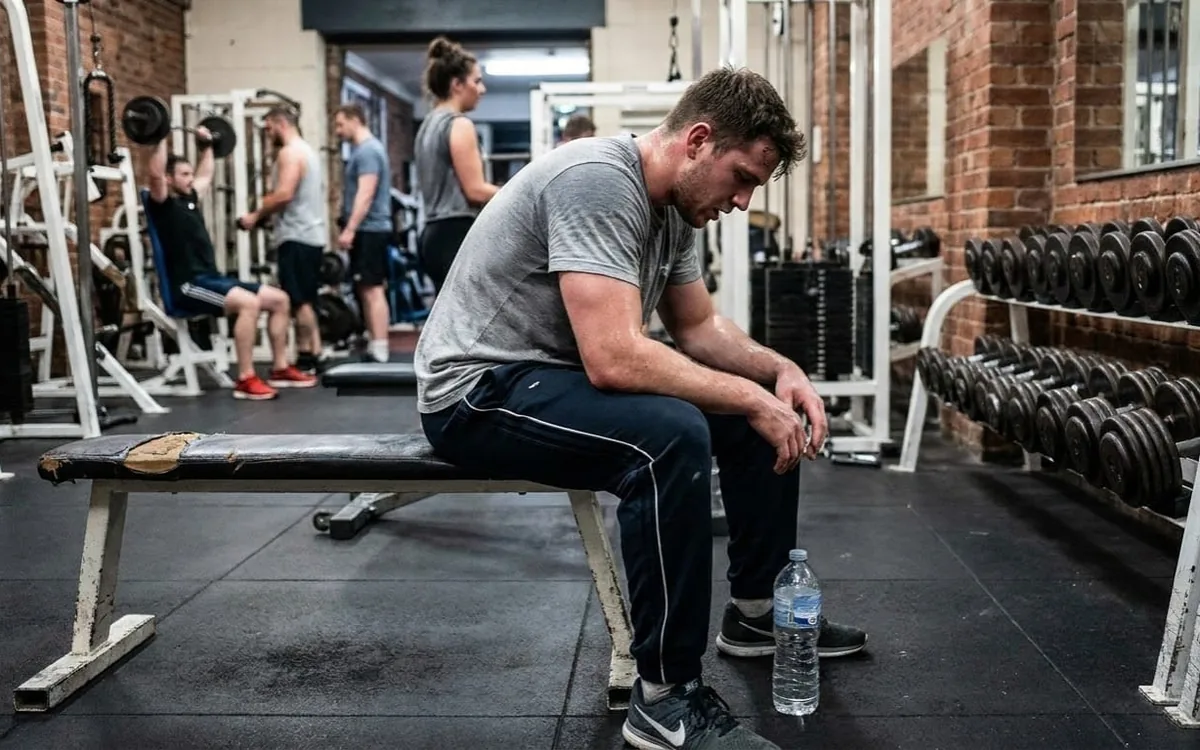
- Recovery, not motivation, is usually the real limit on how much you can train productively.
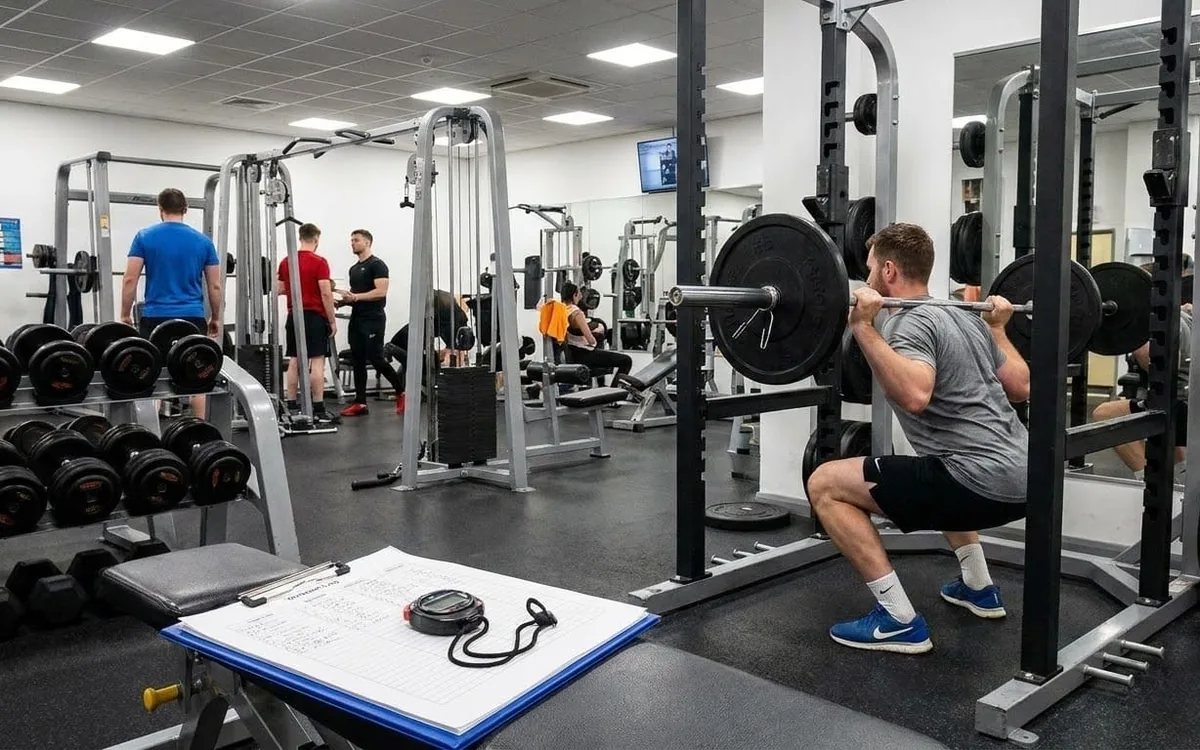
There is no single best weekly frequency for everyone. Beginners can make progress with two or three full-body strength sessions per week. More experienced lifters may spread training across more days when that improves session quality or workload management; research suggests frequency itself matters less when total training volume is similar.
"How many days a week should I lift?" is one of the most common questions in strength training, and the honest answer is that it depends on your training age, your schedule and how well you recover — not on a single universal number.
For beginners
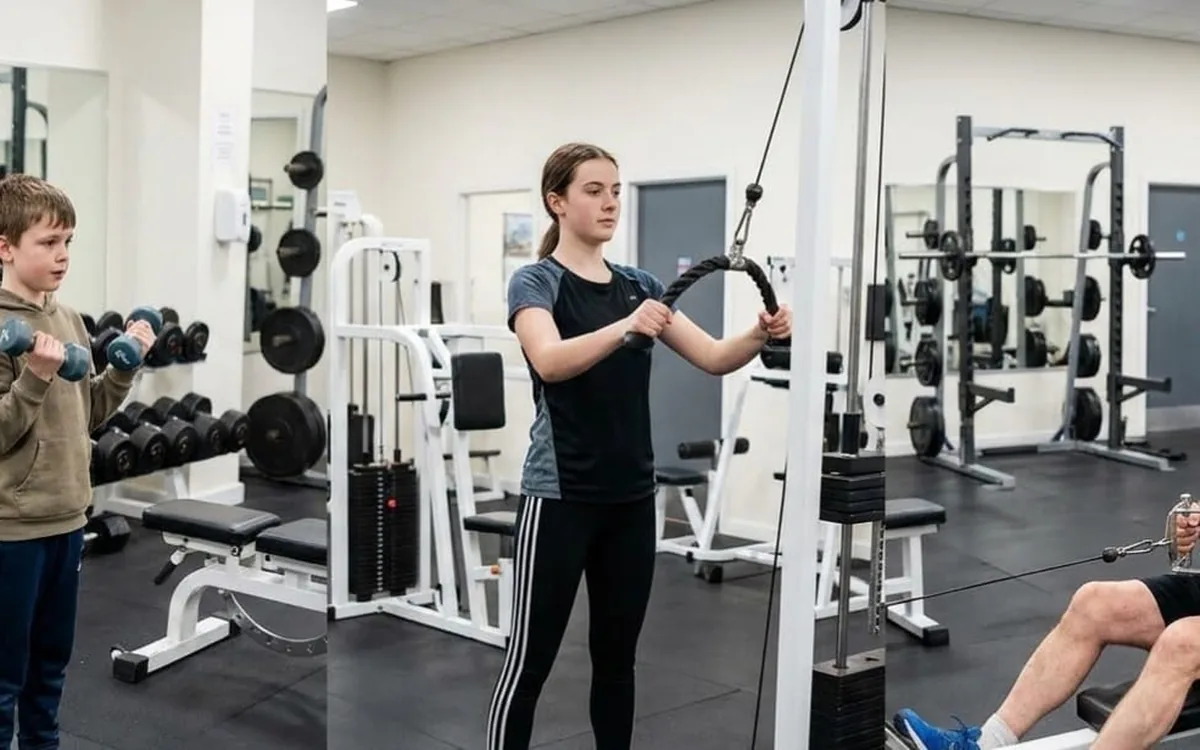
If you are new to strength training, two to three full-body sessions a week, with at least one rest day between them, is enough to build a strong foundation. Beginners tend to respond to almost any reasonable amount of training, so frequency matters less than consistency and technique at this stage.
For intermediate and advanced lifters
As you gain experience, your muscles need more targeted volume to keep progressing, which is why many intermediate lifters move to a four or five day split that trains different muscle groups on different days rather than training the whole body every session.
Signs you are training too often
- Performance is declining across weeks rather than improving.
- You feel persistently fatigued, irritable or are sleeping poorly.
- Small aches are not resolving between sessions.
Frequently asked questions
Can I strength train every day?
It is possible if you rotate muscle groups and manage intensity carefully, but most people make better long-term progress with at least one or two full rest or active-recovery days each week.
Is more frequency always better for muscle growth?
Not necessarily. Total weekly training volume tends to matter more than frequency alone — three well-structured sessions can outperform six poorly recovered ones.
Who this is for
Generally healthy adults looking for practical, evidence-informed guidance on this topic.
Who should be cautious
Anyone with a relevant injury, chronic condition, or who is pregnant should check with a qualified healthcare provider before applying this guidance.