Key takeaways
- Active adults generally benefit from more protein than sedentary adults.
- Spreading protein across meals may help with muscle repair better than eating it all at once.
- Whole foods can meet most people's protein needs without relying on supplements.
Protein needs depend on body size, activity and goals. NIH guidance for exercising adults places typical needs around 1.2–2.0 g/kg/day, while the exact amount is not a one-size-fits-all prescription. Food can supply most protein needs, and supplements are mainly a convenience option. People with kidney disease or another relevant condition should discuss protein intake with a clinician.
Protein recommendations online range wildly, which makes the topic feel more complicated than it needs to be. Here is a practical way to think about it without chasing an exact number every day.
A reasonable starting range
For exercising adults, NIH Office of Dietary Supplements guidance describes roughly 1.2 to 2.0 grams of protein per kilogram of body weight per day as a typical range. This is general educational guidance, not a personalized prescription.
Good sources of protein
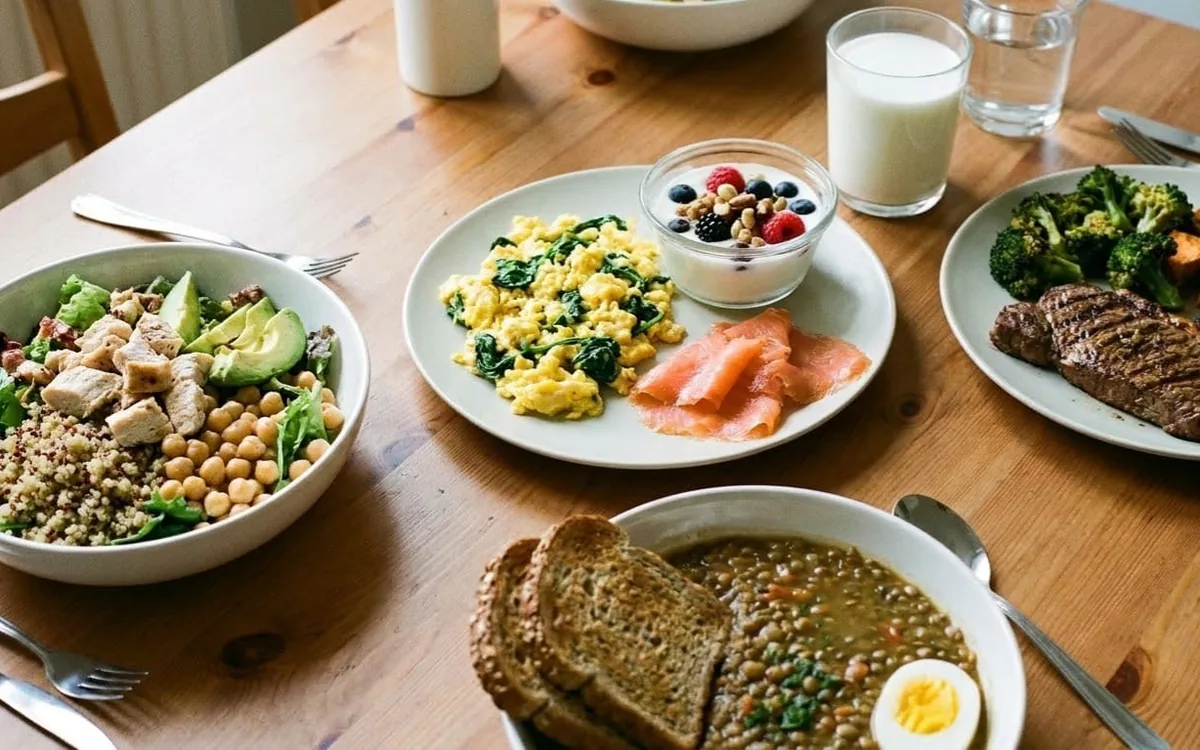
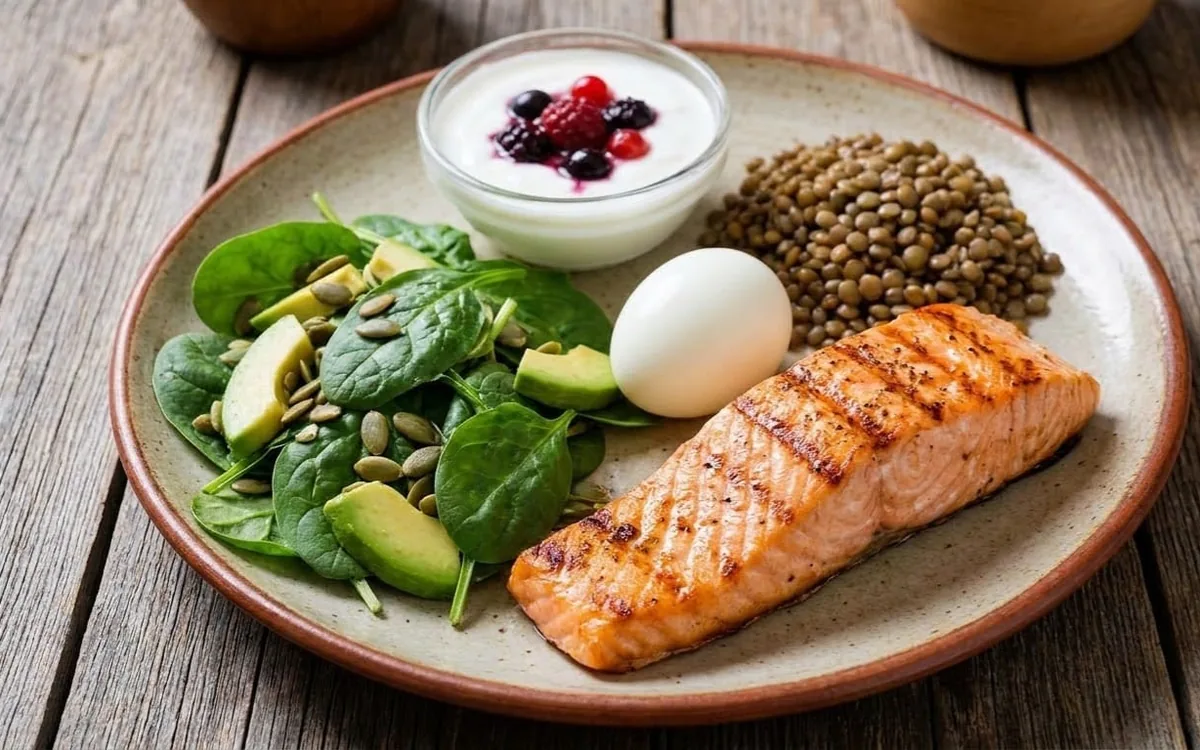
- Lean meat, poultry and fish
- Eggs and dairy such as Greek yogurt and cottage cheese
- Legumes, beans and lentils
- Tofu, tempeh and other soy-based foods
- Protein powder, used to fill gaps rather than replace whole foods
Does timing matter?
Spreading protein across meals is a common practical approach, but total daily intake is generally more important than precise timing for most people. Evidence does not justify treating one meal schedule as universally optimal.
Who should be cautious
People with kidney disease or other conditions affecting protein metabolism should get individualized guidance from a doctor or registered dietitian rather than following general ranges.
Frequently asked questions
Can I get enough protein without supplements?
Yes, for most people. Whole foods can fully meet protein needs; powders are a convenience, not a requirement.
Is too much protein harmful?
There is no universally correct upper target for every person. People with kidney disease or another condition affecting protein handling should discuss protein intake with a qualified clinician.
Who this is for
Generally healthy adults looking for practical, evidence-informed guidance on this topic.
Who should be cautious
Anyone with a relevant injury, chronic condition, or who is pregnant should check with a qualified healthcare provider before applying this guidance.