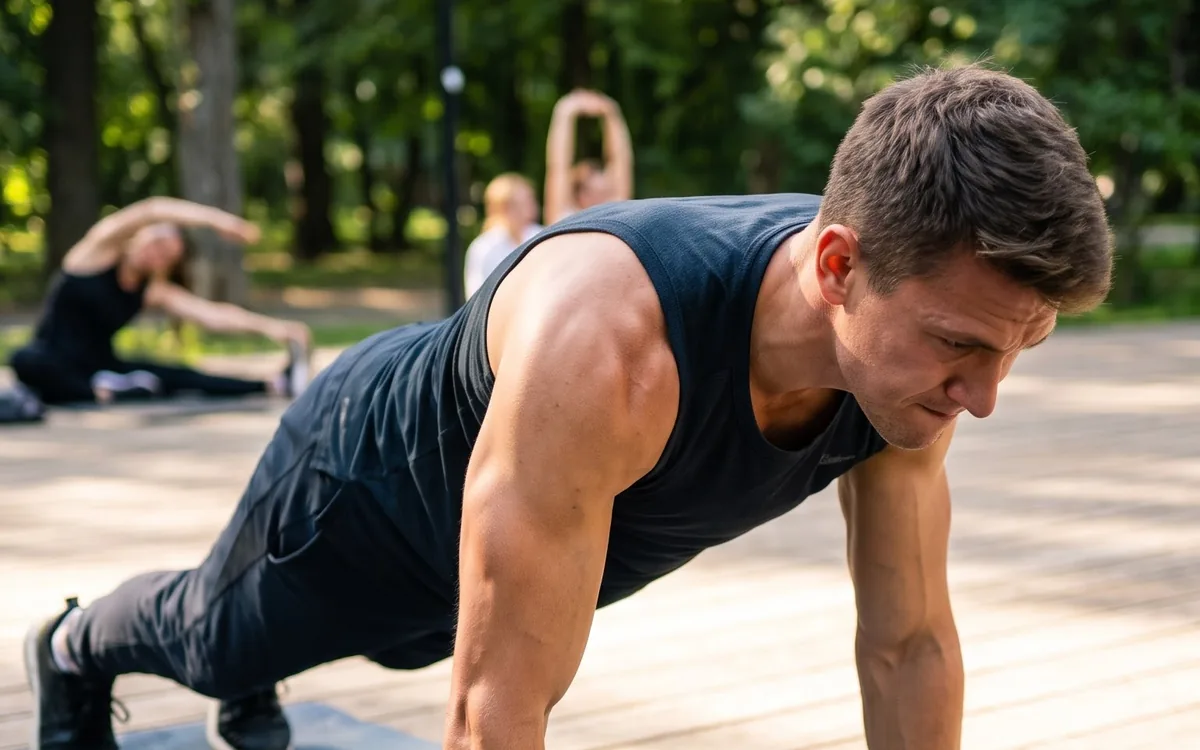
Push-Up
Primary muscle: Chest. Secondary: Shoulders, Triceps, Core.
Equipment
None (bodyweight)
Difficulty
Beginner
Sets & reps
2–4 sets of 8–15 reps
Best for
Upper Body, Full Body
How to perform it
- Start in a high plank with hands slightly wider than shoulder-width and your body in a straight line.
- Lower your chest toward the floor by bending your elbows at roughly a 45-degree angle from your torso.
- Stop just before your chest touches the floor, keeping your core and glutes engaged.
- Push through your palms to return to the starting position without letting your hips sag or pike up.
Common mistakes
- Letting the hips sag toward the floor.
- Flaring the elbows straight out to the sides.
- Only performing a partial range of motion.
Safety tips
- Stop if you feel sharp wrist or shoulder pain rather than pushing through it.
- Keep your neck neutral — avoid craning your head forward.
Beginner modification
Perform push-ups with your hands on an elevated surface such as a bench, or from your knees, to reduce the load while keeping the same form.
Advanced variation
Elevate your feet on a bench, or add a slow 3-second lowering phase to increase difficulty without more equipment.
Alternative exercises
Incline push-upDumbbell bench pressResistance band chest press
Sources & references
Related exercises
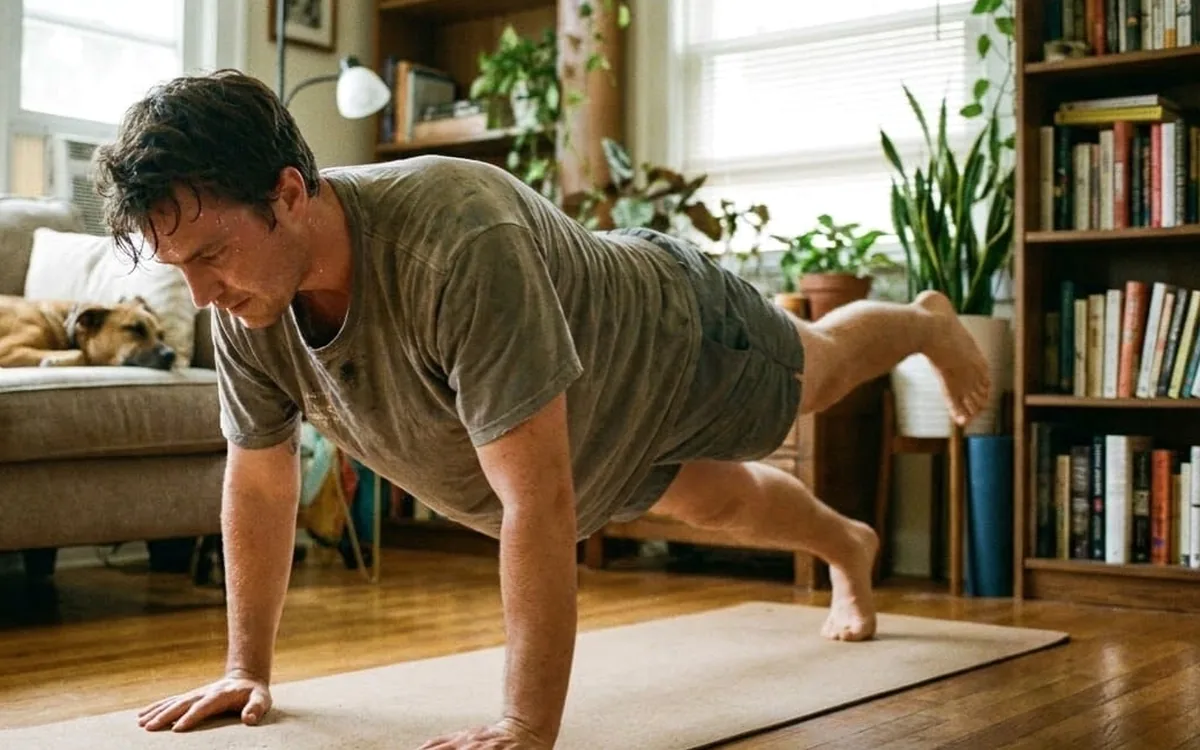
BeginnerNone (bodyweight)
Plank
Primary: Core (rectus abdominis)
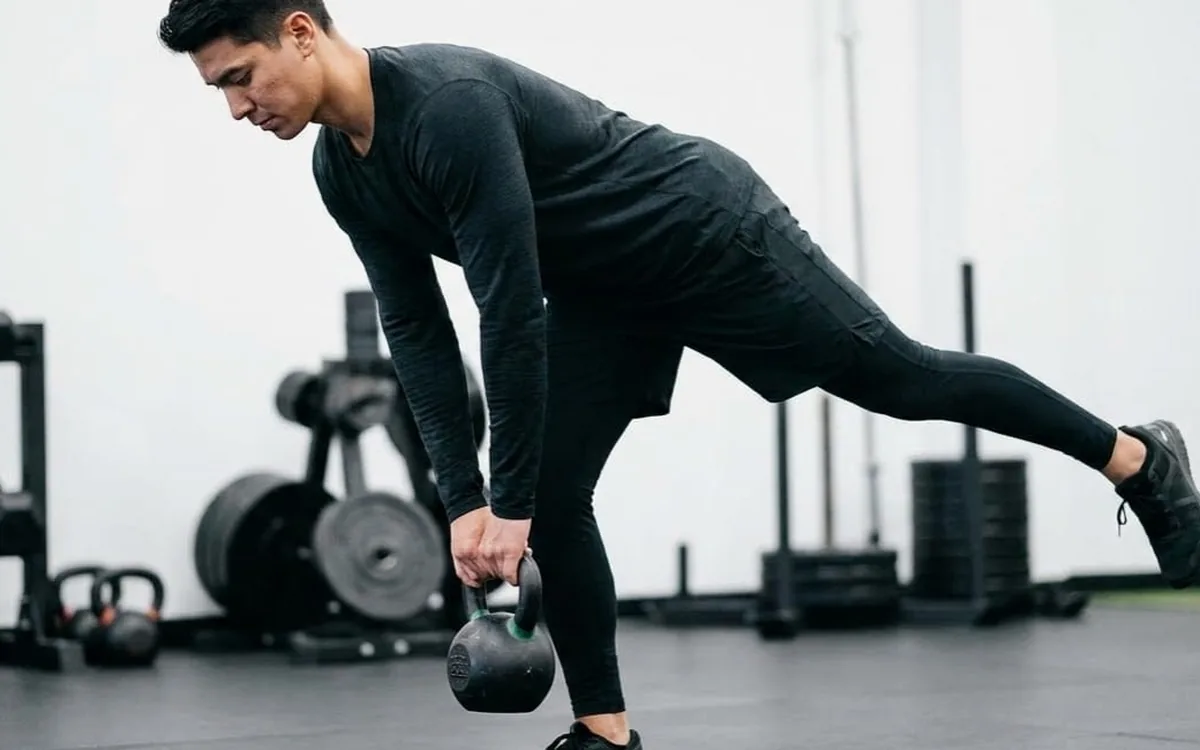
BeginnerNone (bodyweight)
Bird Dog
Primary: Core
Related articles
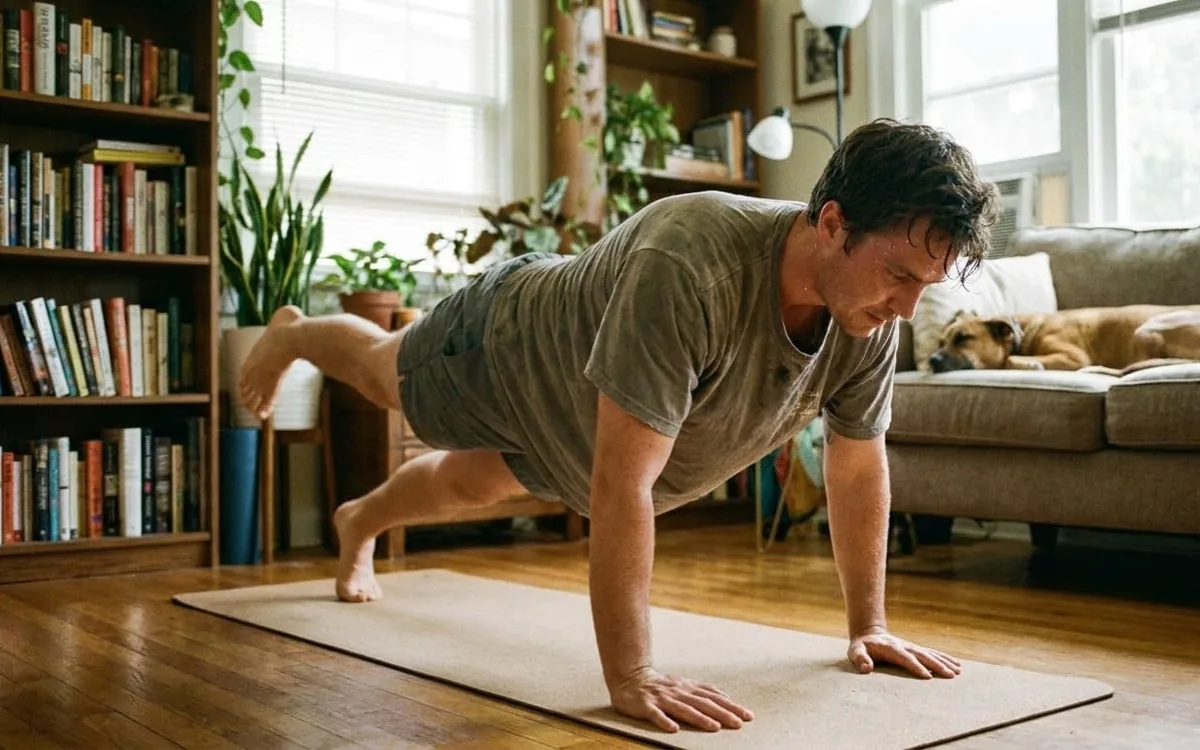
Home Workouts
A Full-Body Workout for Beginners You Can Do at Home
A 30-minute, equipment-free routine that trains your whole body and scales as you get stronger.
Muscle Building
Progressive Overload: The Beginner's Guide to Building Strength Over Time
The single principle behind almost every effective strength or muscle-building program, explained simply.