Key takeaways
- You do not need a perfect plan on day one — you need a routine you will repeat.
- Two to three sessions a week that combine strength and light cardio cover most beginner goals.
- Tracking how a workout felt matters more early on than tracking exact numbers.
- Early sessions can feel unfamiliar or demanding, but there is no reliable universal timeline for results; progress varies with starting point, training, nutrition, sleep and consistency.
For most adults who are new to exercise, a repeatable routine is more useful than an aggressive plan. A practical target is to build toward the adult activity guideline of 150 minutes of moderate activity (or 75 minutes vigorous) each week plus muscle-strengthening work on at least two days, adjusting gradually to your experience and schedule.
Most people who quit exercise do not quit because a workout was too hard. They quit because the plan did not fit their life, or because they expected faster results than the body actually delivers. This guide is built around avoiding both problems.
Start with frequency, not perfection
Before worrying about the ideal program, pick a number of days you can realistically train — most beginners do well with two to three sessions a week. A mediocre plan you repeat consistently will outperform an ideal plan you abandon after two weeks.
A simple starting structure looks like this:
| Day | Focus | Rough length |
|---|---|---|
| Day 1 | Full-body strength | 30–40 minutes |
| Day 2 | Rest or a walk | — |
| Day 3 | Full-body strength | 30–40 minutes |
| Day 4 | Rest | — |
| Day 5 | Full-body strength or cardio | 25–35 minutes |
Pick a small set of movements and learn them well
You do not need twenty exercises. A short list of movement patterns — a squat, a hinge, a push, a pull, and a core exercise — covers most of what a beginner routine needs. Our exercise library is a good place to look up correct form for each one.
- Squat pattern: bodyweight squat, goblet squat
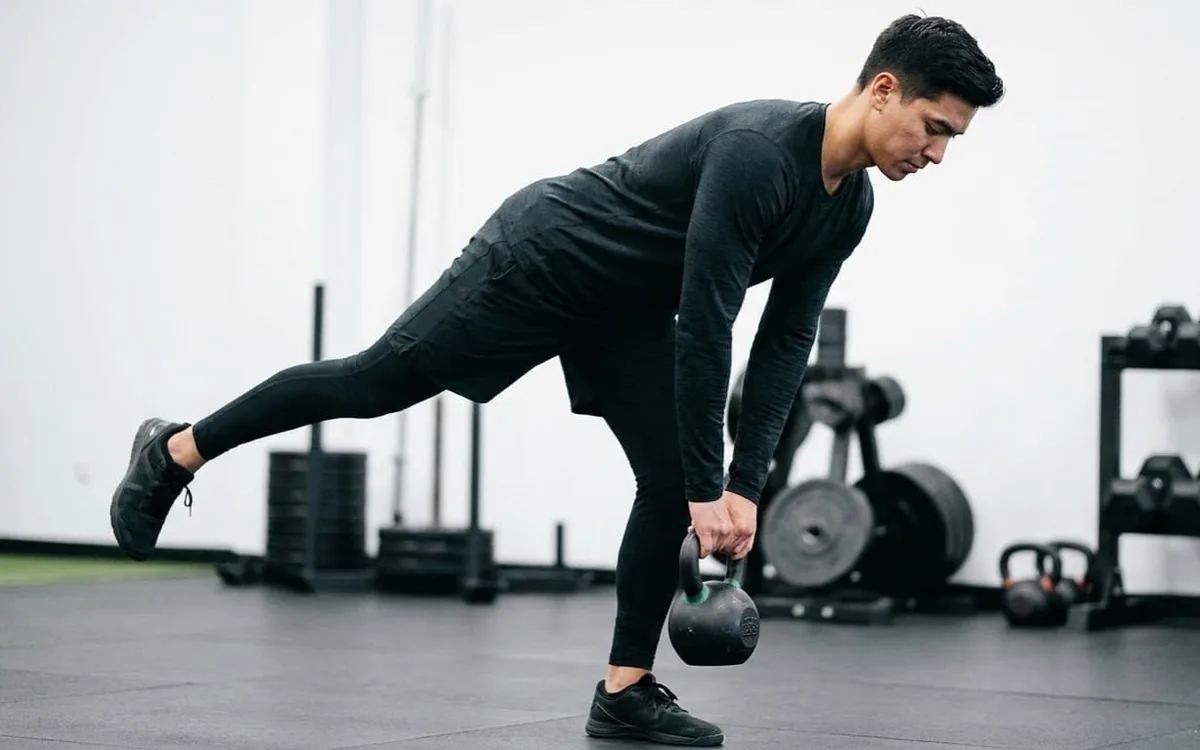
- Hinge pattern: glute bridge, Romanian deadlift
- Push pattern: push-up, incline push-up
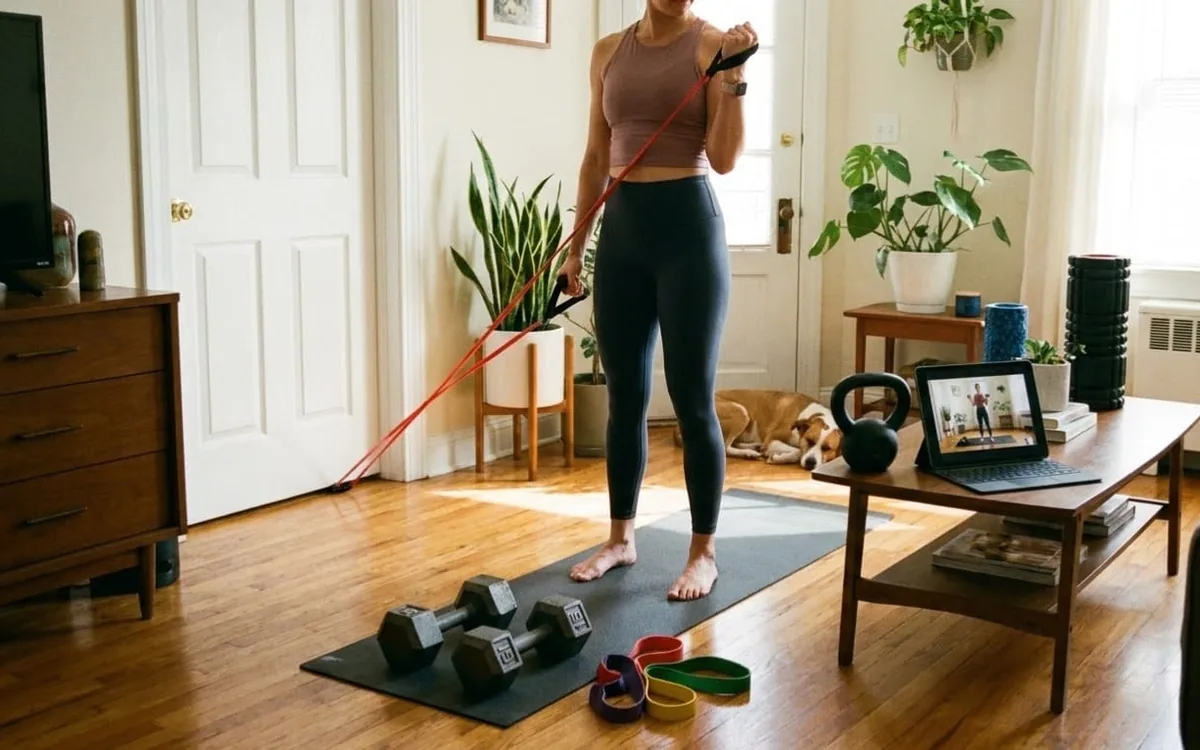
- Pull pattern: resistance band row, inverted row
- Core: plank, bird dog
How hard should it feel?
A useful beginner rule: on a scale where 10 is a maximum effort, most sets should feel like a 6 to 8 — challenging by the last couple of repetitions, but with your form still intact. If you cannot finish a set with good form, the exercise or the load is too advanced for right now, not a sign of failure.
If you are returning from an injury, are pregnant, or have a diagnosed heart or joint condition, talk with a doctor or physical therapist before starting a new routine so it can be adapted to you.
Common mistakes beginners make
- Changing the entire program every week instead of letting one plan work for a month or two.
- Skipping warm-ups, which increases injury risk and makes the first sets feel harder than they need to.
- Comparing week-one performance to someone else's year-one performance.
- Only training the muscles that are visible in a mirror and neglecting the back and legs.
Who this guide is for
This guide is written for adults who are new to structured exercise or returning after a long break, and who do not have a diagnosed condition that requires individualized medical guidance.
Frequently asked questions
How long until I see results?
There is no reliable universal timeframe for visible results. Strength, fitness and body-composition changes vary with starting point, training, nutrition and consistency.
Do I need a gym membership to start?
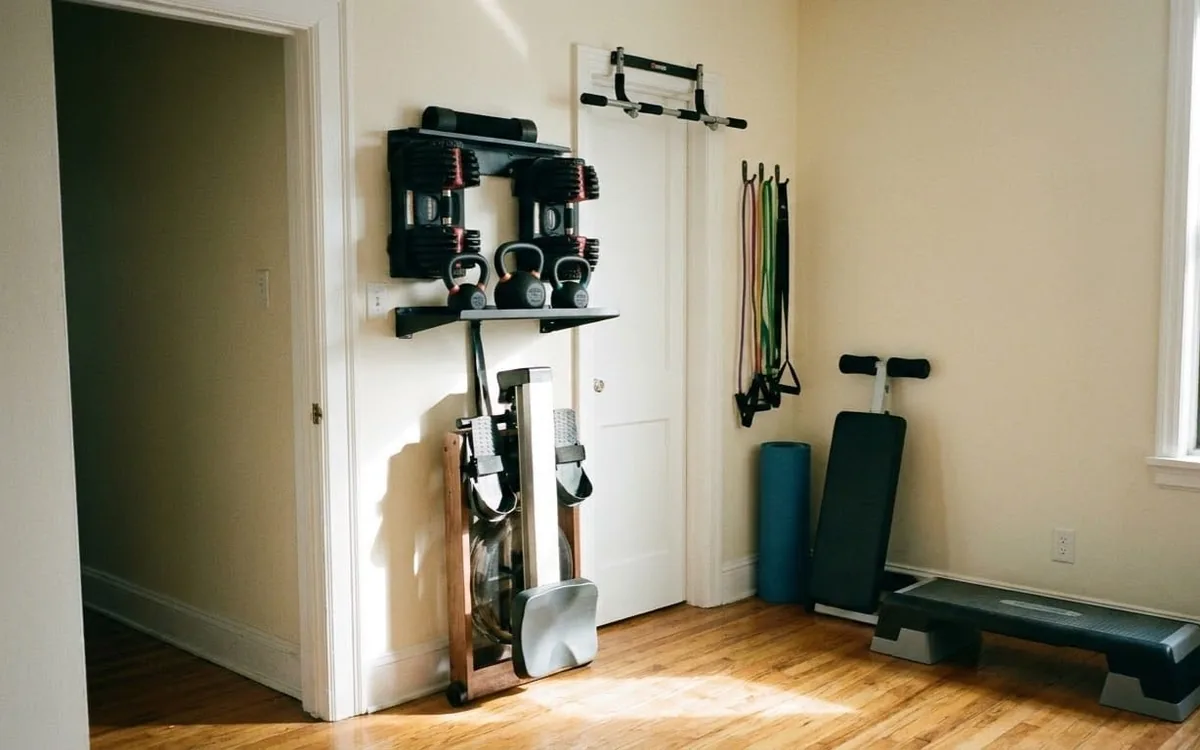
No. Our home workout guides use minimal or no equipment and are a reasonable starting point before deciding whether a gym membership is worth it for you.
What if I miss a planned workout?
Move on to the next scheduled session rather than trying to make it up. Consistency over months matters far more than any single missed day.
Who this is for
Generally healthy adults looking for practical, evidence-informed guidance on this topic.
Who should be cautious
Anyone with a relevant injury, chronic condition, or who is pregnant should check with a qualified healthcare provider before applying this guidance.