Key takeaways
- Walking counts as physical activity and can be accumulated across the day.
- A brisk pace can raise the training stimulus without requiring running.
- Short walks are useful when a long workout is not realistic.
- Walking is easy to combine with strength training and recovery days.
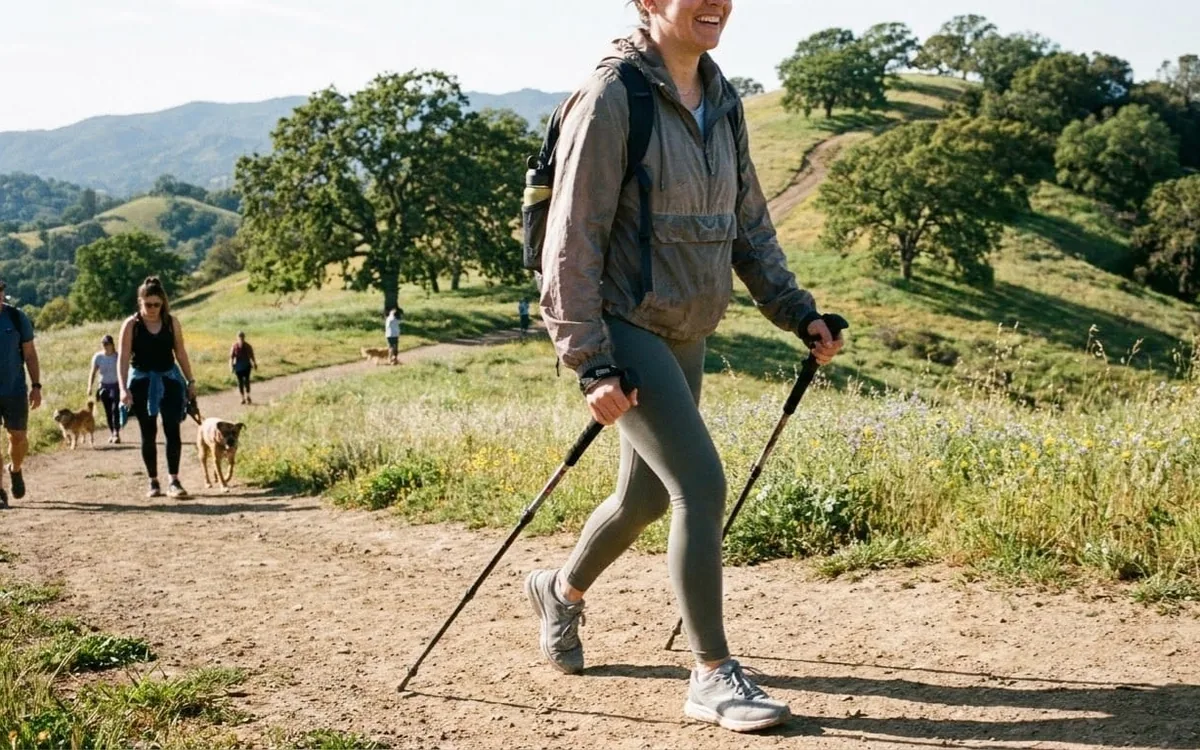
Walking is a practical form of aerobic activity that can be accumulated in short blocks throughout the day. A brisk pace can provide moderate-intensity work, while easy walks can support recovery and daily movement.
Walking has an unusual advantage in fitness: people can usually do more of it because it fits into everyday life. You can walk to a shop, take a short break between tasks, use it as a warm-up or simply head outside for a longer session. That makes it one of the easiest ways to increase total activity without turning every day into a formal workout.
Start with the walking you already do
Before adding a big target, notice your normal movement. Where could ten minutes fit? Before work, after lunch, after dinner or between meetings? A habit tied to an existing routine is often easier to remember.
Use a comfortable-to-brisk spectrum
| Pace | What it feels like | Use |
|---|---|---|
| Easy | Relaxed, low effort | Recovery and casual movement |
| Brisk | Breathing faster but controlled | Moderate aerobic work |
| Very brisk / uphill | Noticeably demanding | Shorter harder bouts |
Break one long walk into several small walks
A 30-minute walk is useful, but three ten-minute walks can also be a realistic way to add activity. Short blocks can fit around meals, work breaks or errands.
Walking and strength training work well together
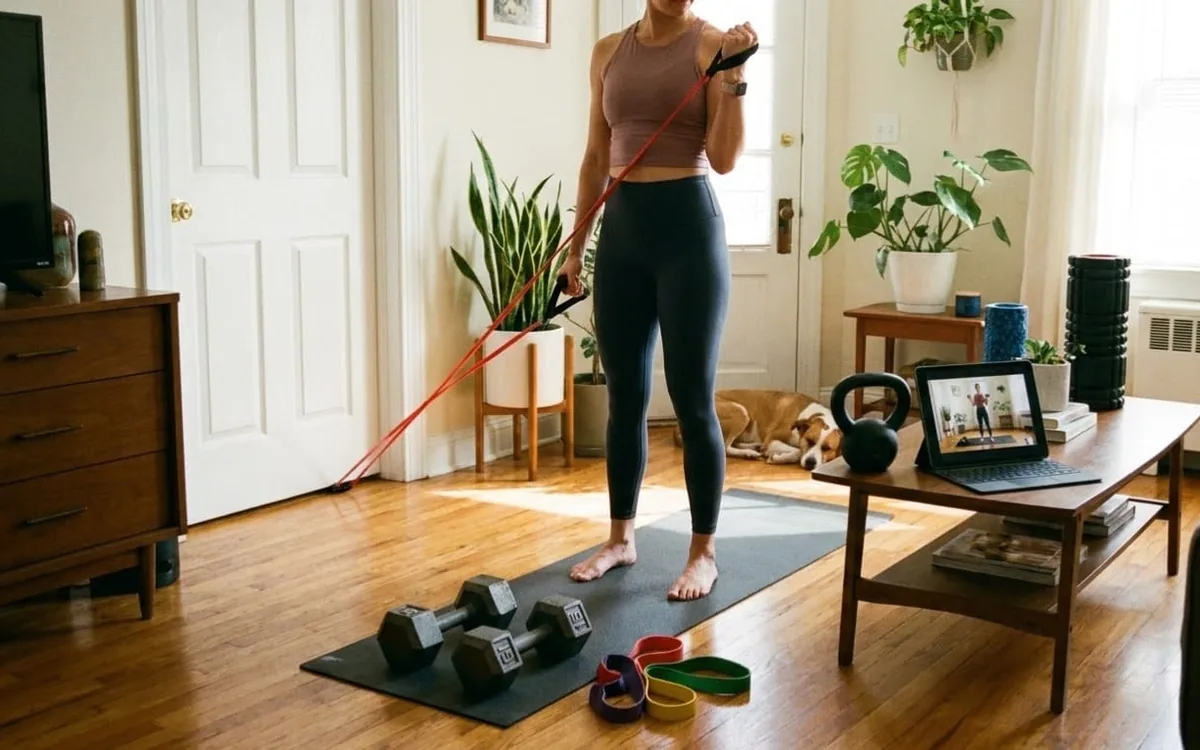
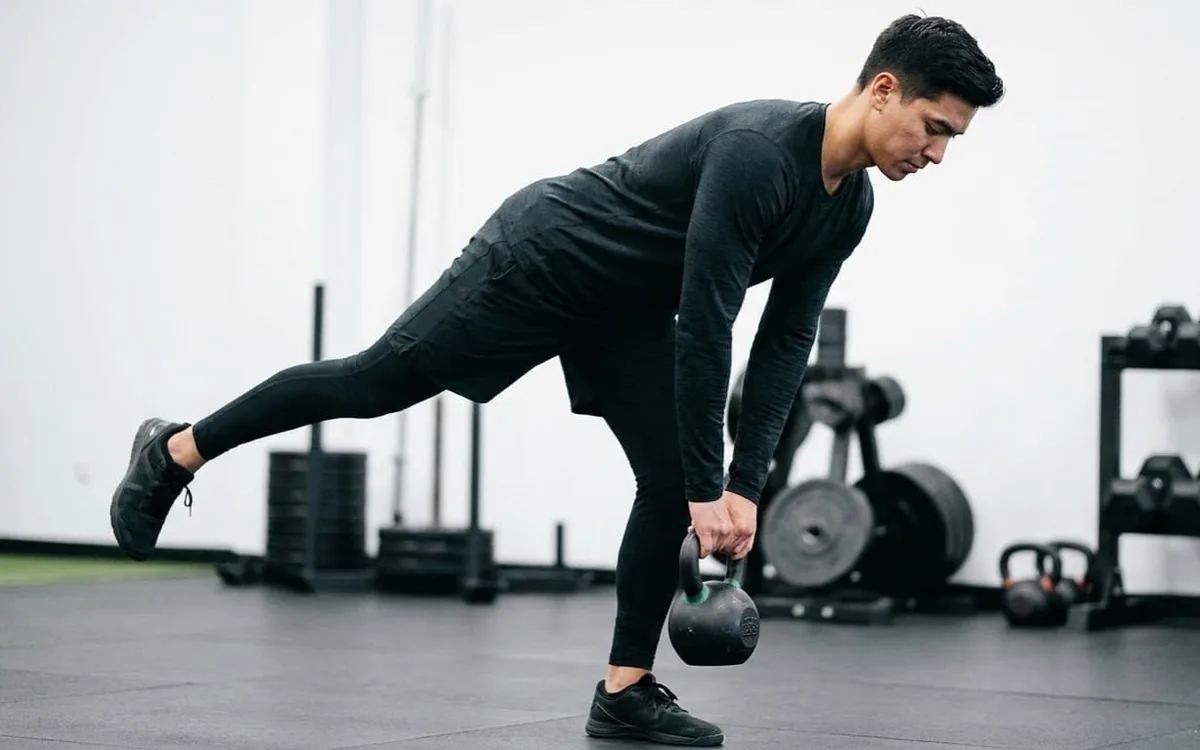
Walking is usually low-fatigue enough to pair with a strength program. It can occupy recovery days or provide extra activity without demanding the same muscular effort as another hard training session.
How to make walks more challenging
- Walk a little faster.
- Choose gentle hills.
- Increase the total walking time gradually.
- Use a route that includes varied terrain once you are comfortable.
Do you need to hit a step number?
No single daily step count is required for everyone. A step number can be useful as a tracking tool, but it is not a magic health threshold. Total activity, intensity, fitness, age and individual circumstances all matter.
Walking when you are busy
Try a ten-minute walk after one meal, a phone-free loop during a break or a short walk before you sit down for the evening. The point is to make activity easy enough to happen without a major negotiation every day.
Public health guidance emphasizes that some physical activity is better than none and that activity can be accumulated throughout the week. Walking can be one of the simplest ways to move toward those goals.
Frequently asked questions
Can walking improve fitness?
Yes. Brisk walking can provide moderate aerobic activity and is a practical form of cardiovascular exercise for many people.
Is walking enough for muscle strength?
Walking is useful activity, but adults are also advised to include muscle-strengthening work on at least two days each week.
Should I walk before or after lifting?
Either can work. Put the session that matters most for your main goal first when the order affects your energy.
Who this is for
Generally healthy adults looking for practical, evidence-informed guidance on this topic.
Who should be cautious
Anyone with a relevant injury, chronic condition, or who is pregnant should check with a qualified healthcare provider before applying this guidance.