Key takeaways
- Rest is part of the workout, not wasted time between exercises.
- Heavier, more demanding sets usually need more recovery before the next set.
- Shorter rests can work well for easier accessory work, circuits and time-limited sessions.
- The best rest period is the one that lets you perform the next set with the quality your plan requires.
Rest long enough to perform the next set with the quality your program requires. Heavier multi-joint sets often need more recovery, while easier accessory work can use shorter rests.
Rest periods are one of the easiest training variables to change and one of the easiest to overthink. Instead of asking for one magic number, start with the purpose of the set. If the next set needs high force and good technique, you will usually want enough recovery to make that possible.
Why rest changes performance
A hard set uses energy and creates fatigue. Give yourself more time and you can often produce more force on the next set. Give yourself less time and the session becomes more metabolically demanding, which can be useful for certain goals but may reduce the quality of heavy strength work.
| Training focus | Practical starting point | What to watch |
|---|---|---|
| Heavy strength work | 2–4 minutes | Technique and force output |
| Moderate hypertrophy work | 1–3 minutes | Whether reps remain controlled |
| Smaller accessory exercises | 45–120 seconds | Local muscle fatigue |
| Circuit or conditioning work | Short, as needed | Overall quality and breathing |
Use performance, not just the timer
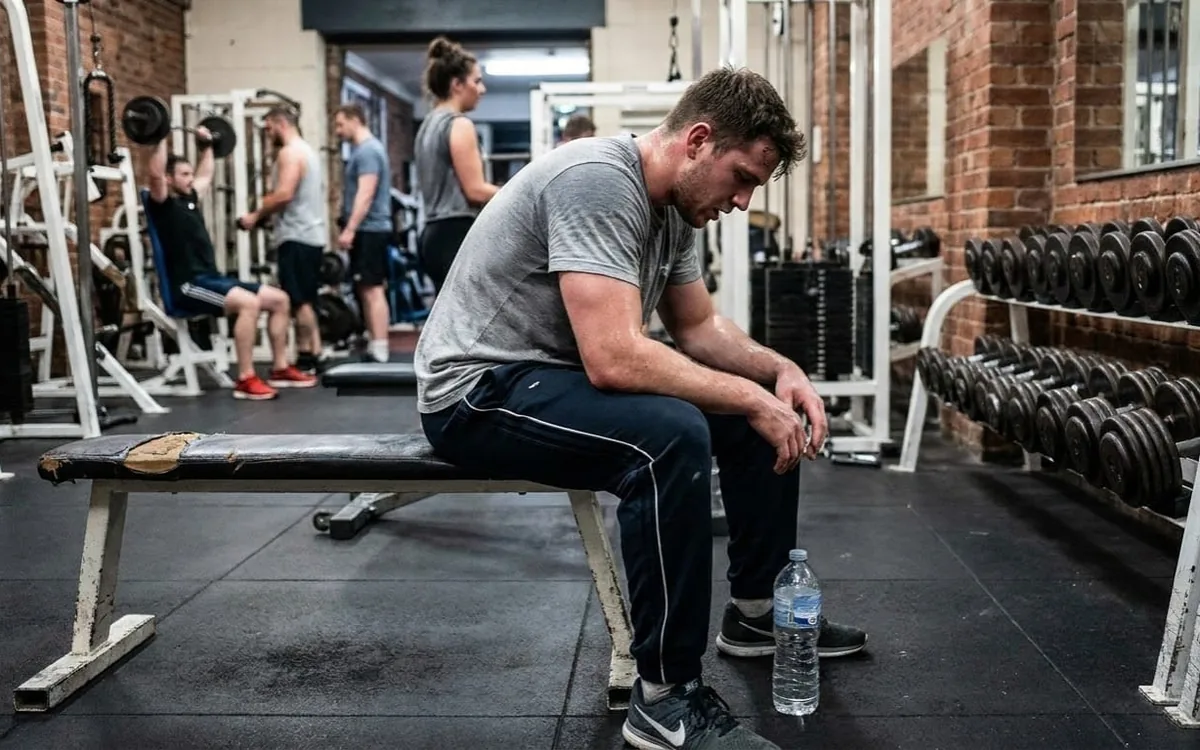
Imagine you finish a set and after sixty seconds you are still breathing hard and feel unstable. Starting the next set because the timer says so is not automatically better. Give yourself enough time to repeat the movement well.
When short rests make sense
Shorter rests can make a session quicker and can work well for movements that use lighter loads or for workouts built around continuous activity. They also create a different training feel. A brisk circuit can be useful, but it is not the same stimulus as resting several minutes between heavy sets.
When longer rests are useful
Compound movements that use a large portion of the body can produce substantial fatigue. Squats, deadlift variations, heavy presses and similar exercises often benefit from longer rest when the goal is to maintain force and technique across sets.
A simple rule for beginners
- Start around 1–2 minutes for easier exercises.
- Use 2–3 minutes for harder multi-joint sets when needed.
- Add time if your next set is clearly weaker because you rushed the rest.
- Reduce the rest only when the quality of the workout stays where you want it.
Do not confuse breathlessness with muscle fatigue
You may still be catching your breath while the target muscle is ready, or your breathing may feel normal while the muscle itself needs more recovery. Pay attention to both. The answer should match the movement and the purpose of the set.
How rest changes over a workout
Your first sets may feel easy and the later ones may not. It is normal to need a little more rest as fatigue builds. A flexible approach is often more useful than forcing every rest period to be identical.
There is no prize for making every rest period as short as possible. A good rest interval helps you complete the next set with the intended technique and effort.
Frequently asked questions
Can resting too long ruin a workout?
Longer rest can make a session take more time, but it does not automatically make the workout ineffective. The more important question is whether the rest helps you perform the planned work.
Should I use a stopwatch?
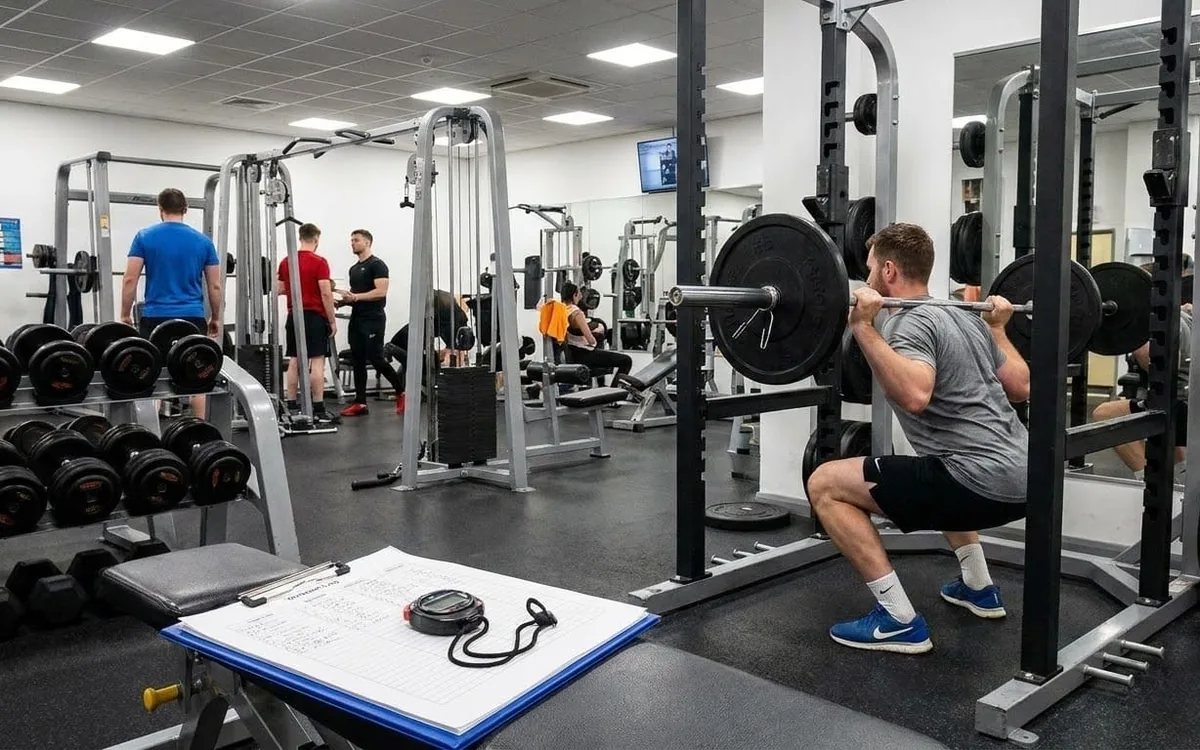
It can help when consistency matters, but a rough range plus feedback from your next set is often enough for general training.
Is short rest better for fat loss?
Not by itself. Fat loss is influenced by overall energy balance and activity. Rest periods should primarily serve the quality and purpose of the workout.
Who this is for
Generally healthy adults looking for practical, evidence-informed guidance on this topic.
Who should be cautious
Anyone with a relevant injury, chronic condition, or who is pregnant should check with a qualified healthcare provider before applying this guidance.