Key takeaways
- A balanced meal usually combines several food groups rather than relying on one “perfect” food.
- Protein, vegetables or fruit, carbohydrate foods and sources of healthy fat can all fit together.
- Portions should reflect hunger, activity and personal needs rather than one rigid plate size.
- Consistency across many meals matters more than making every single meal perfect.
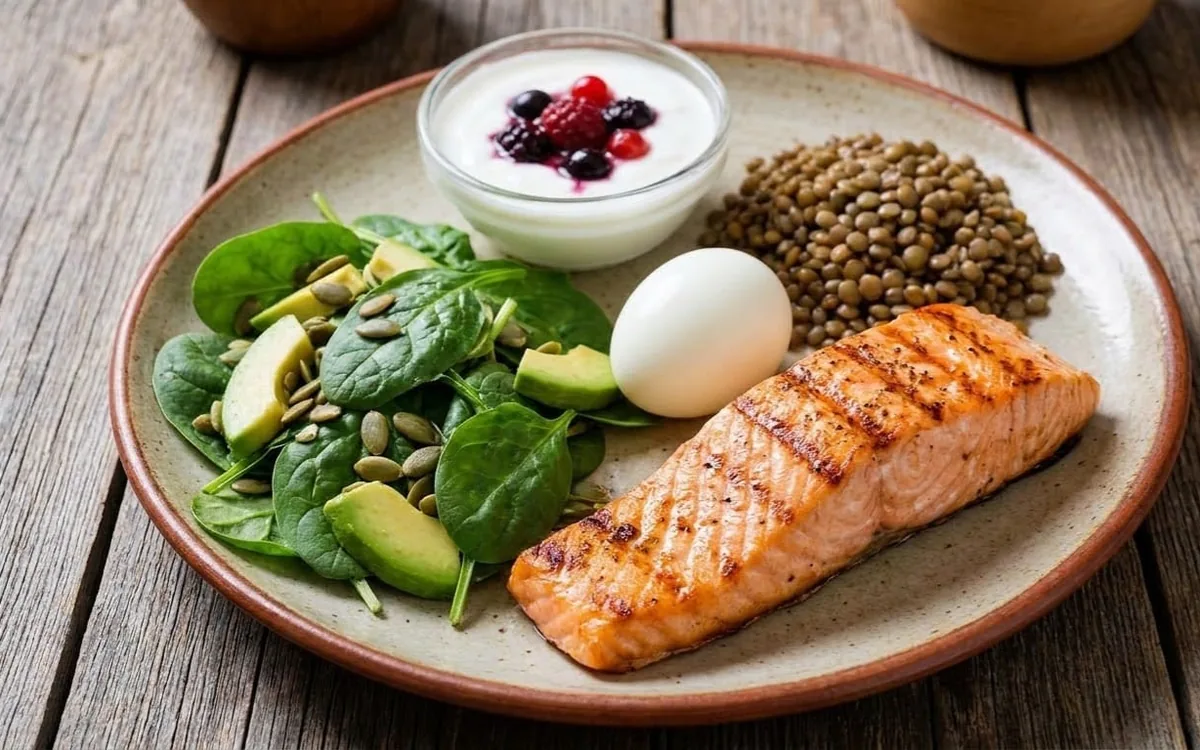
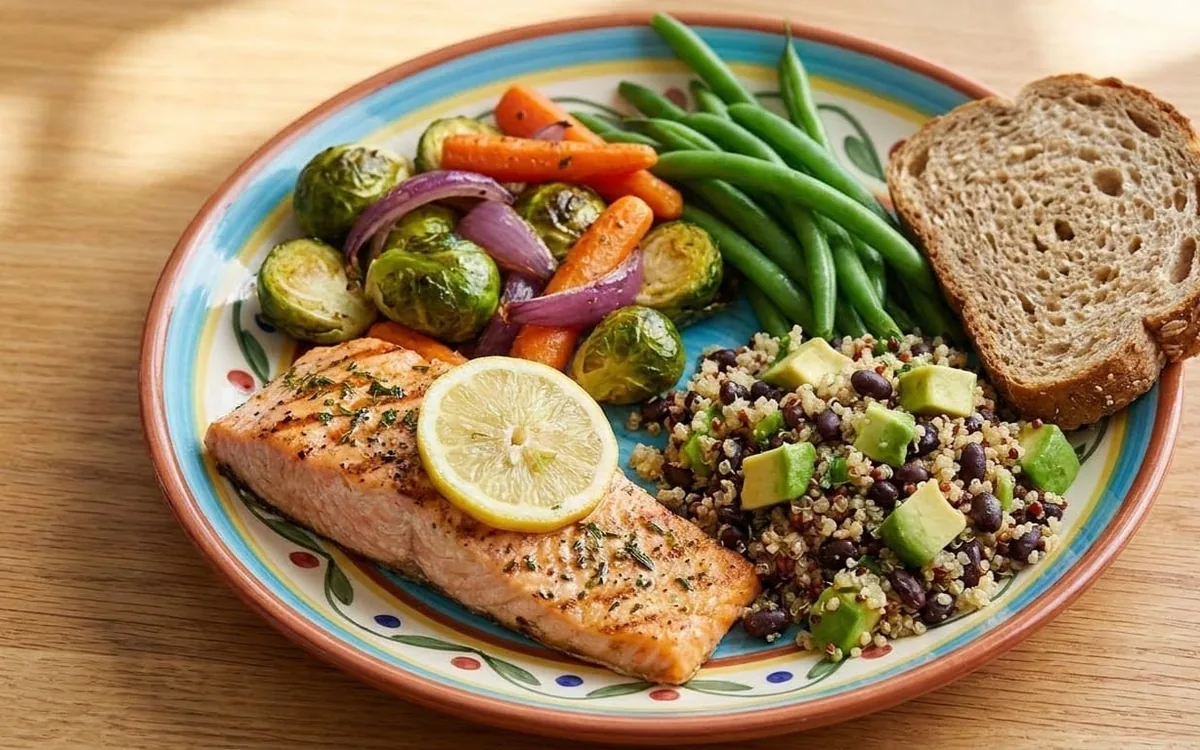
A balanced plate can combine protein, produce, a carbohydrate source and a source of fat, with portions adjusted to hunger, activity and personal needs. The goal is a sustainable pattern, not perfect meals.
Healthy eating becomes much simpler when meals have a basic structure. You do not need to calculate every nutrient to build a balanced plate. A useful starting point is to include a protein source, produce, a carbohydrate source and some fat, then adjust portions to your hunger and activity.
Start with protein
Protein can come from eggs, dairy, fish, meat, soy foods, beans, lentils, peas and other foods. Including it in meals can make the meal more satisfying and helps support muscle repair and maintenance.
Add colorful produce
Fruit and vegetables add fiber, water, vitamins, minerals and variety. Fresh, frozen and cooked forms can all fit. You do not need a giant salad at every meal to eat well.
Choose a carbohydrate source that works for you
- Rice or other grains.
- Potatoes or other starchy vegetables.
- Oats and breakfast grains.
- Whole-grain bread or pasta.
- Beans and lentils, which can also contribute protein and fiber.
Include fats without fearing them
Nuts, seeds, olive oil, avocado and other sources of unsaturated fat can add flavor and help make meals satisfying. Fat is energy-dense, so portions can be smaller while still contributing a lot to a meal.
Three plate examples
| Meal | Protein | Produce | Carbohydrate | Fat source |
|---|---|---|---|---|
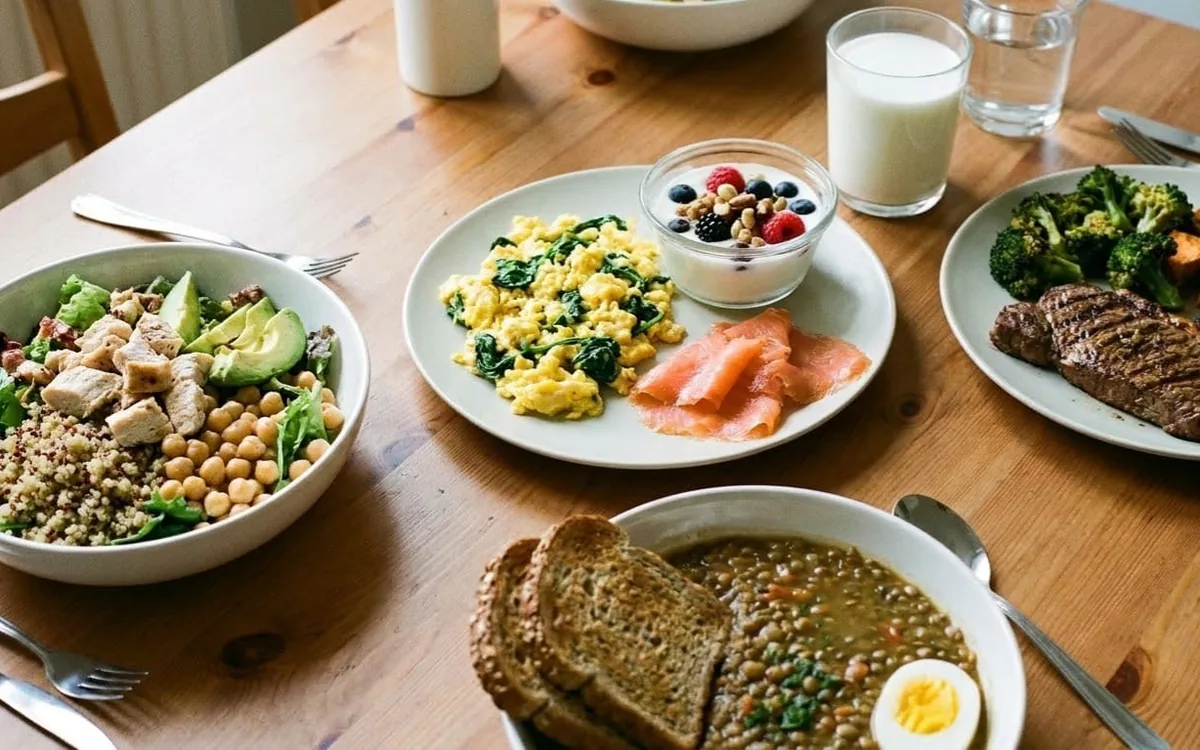
| Breakfast | Yogurt or eggs | Fruit | Oats or toast | Nuts or seeds |
| Lunch | Chicken, tofu or lentils | Mixed vegetables | Rice or roti | Oil, nuts or seeds |
| Dinner | Fish, beans or lean meat | Cooked vegetables | Potatoes, rice or grains | Olive oil, avocado or nuts |
How much should you put on the plate?
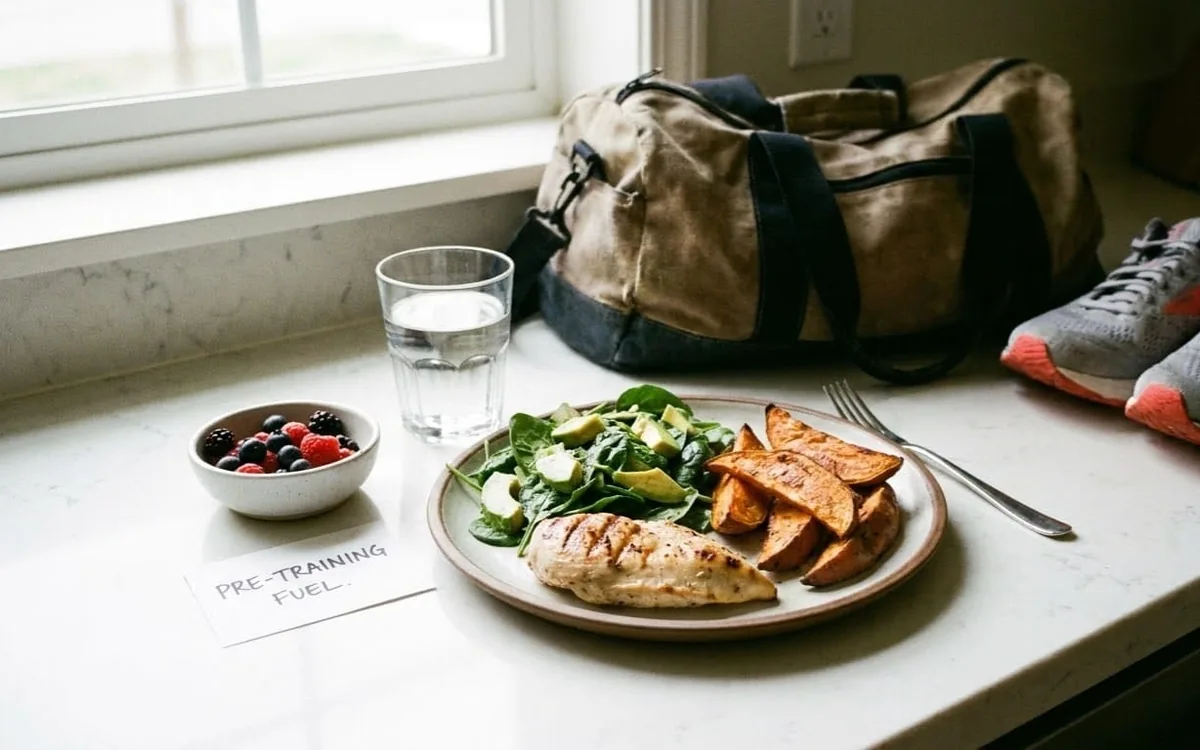
Use hunger and activity as a guide. A person with a physically demanding day may need a larger carbohydrate portion than someone who spent most of the day seated. Someone eating a snack may not need to build the full four-part plate every time.
Do not let one meal decide whether your diet is “good”
Meals happen in context. A celebration dinner, a quick sandwich on a busy day and a carefully cooked home meal can all fit into a healthy overall pattern. The useful target is a pattern you can maintain, not constant perfection.
Make healthy meals easier to repeat
- Keep a few reliable protein foods at home.
- Use frozen vegetables and fruit when fresh produce is inconvenient.
- Cook a basic grain or starch in advance.
- Keep simple snacks available so hunger does not force a rushed decision every time.
Where supplements fit
Supplements can fill specific gaps when they are appropriate, but they are not a replacement for the overall food pattern. Start with ordinary food habits first unless a professional has given you another reason.
Nutrition needs can change with age, training, medical conditions, pregnancy and other circumstances. A balanced-plate framework is educational, not a personalized medical diet.
Frequently asked questions
Do I need to eat every food group at every meal?
No. Think of balance across the day rather than a rigid checklist at every meal.
Are carbohydrates unhealthy?
No. Carbohydrate-rich foods can be part of a balanced diet. The type, amount and overall eating pattern matter.
Can I eat dessert and still have a healthy diet?
Yes. A healthy eating pattern can include enjoyable foods. The overall pattern matters more than eliminating every less-nutrient-dense food.
Who this is for
Generally healthy adults looking for practical, evidence-informed guidance on this topic.
Who should be cautious
Anyone with a relevant injury, chronic condition, or who is pregnant should check with a qualified healthcare provider before applying this guidance.