Key takeaways
- Total daily protein matters more than chasing a perfect minute-by-minute schedule.
- Spreading protein across several meals is a practical way to make intake easier.
- Regular foods can supply plenty of protein; supplements are mainly a convenience tool.
- Higher protein needs are individual and should be considered alongside body size, training and health context.
Total daily protein is more important than a perfect timing rule. Spreading protein across several meals can make it easier to meet needs, while ordinary foods can provide most of the protein active people require.
Protein gets reduced to a number surprisingly often. For an active person, the more useful question is usually: can you consistently get enough protein from a pattern of meals that you actually enjoy? Spreading protein across the day can make that easier without turning eating into a science experiment.
Start with the daily total
Exercise-focused nutrition guidance commonly places active adults above the minimum protein intake used for the general population, with typical ranges depending on body size, activity and goals. Your exact requirement is individual, so use general ranges as context rather than a prescription.
Build protein into normal meals
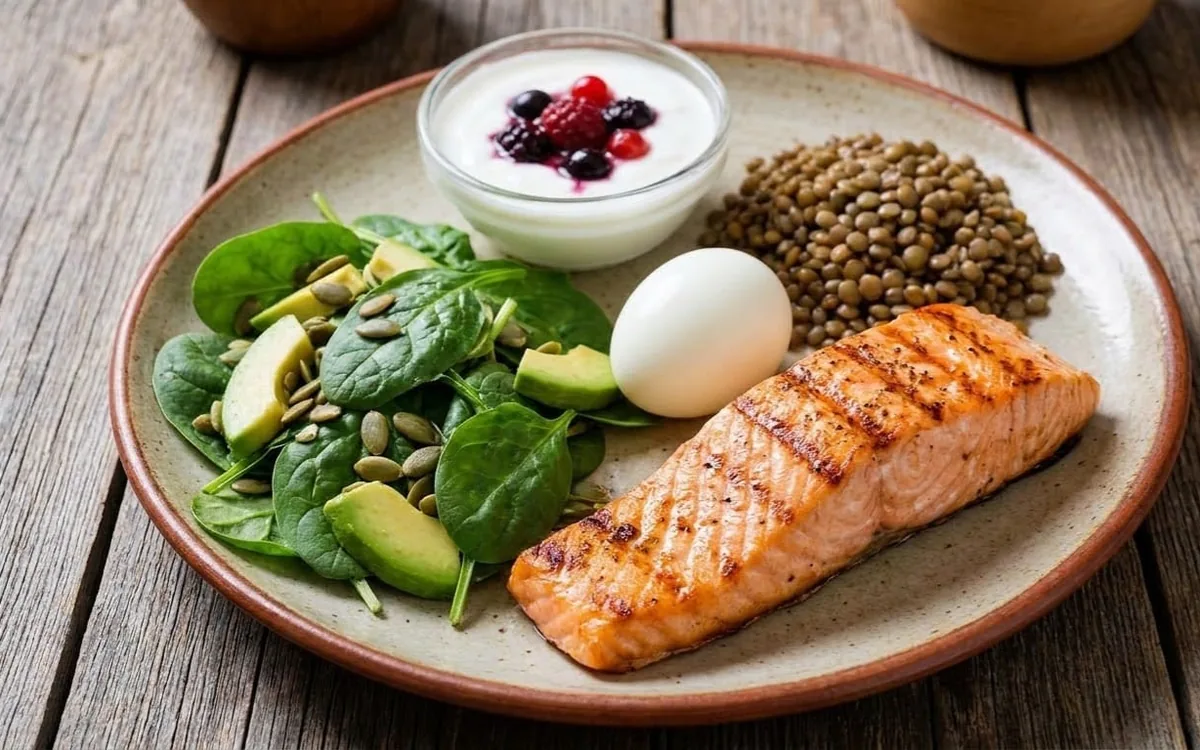
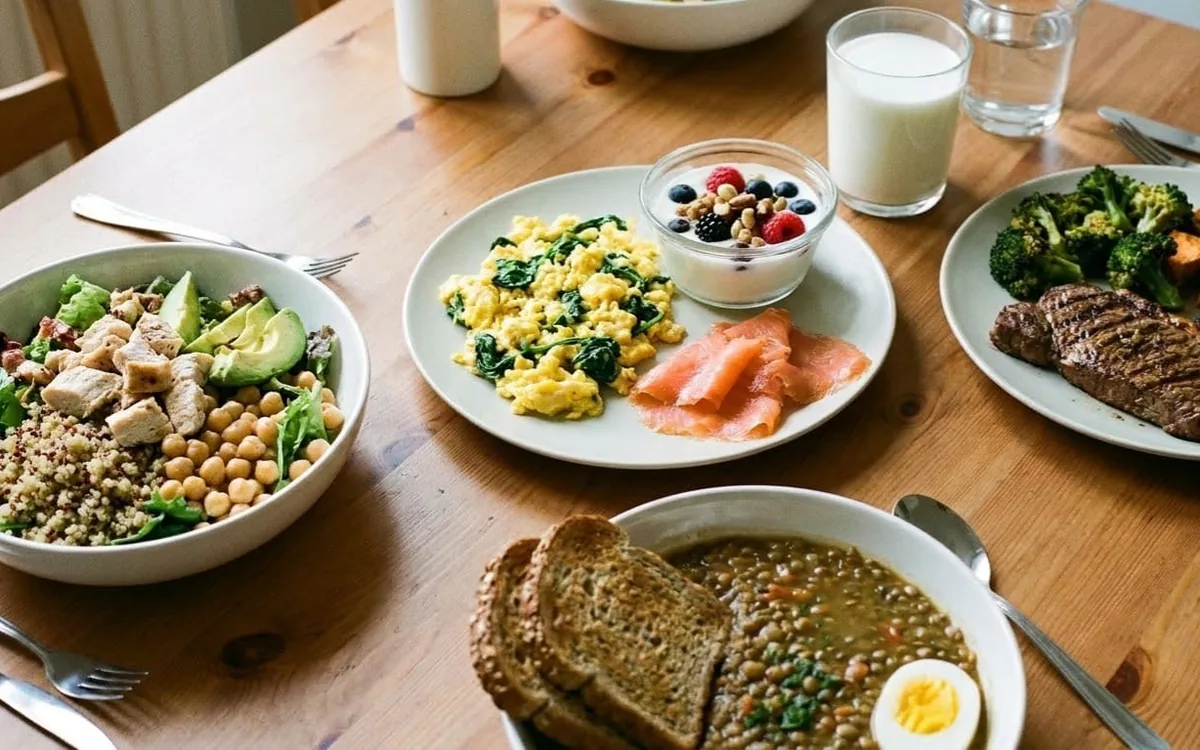
- Breakfast: eggs, yogurt, milk or a soy-based option.
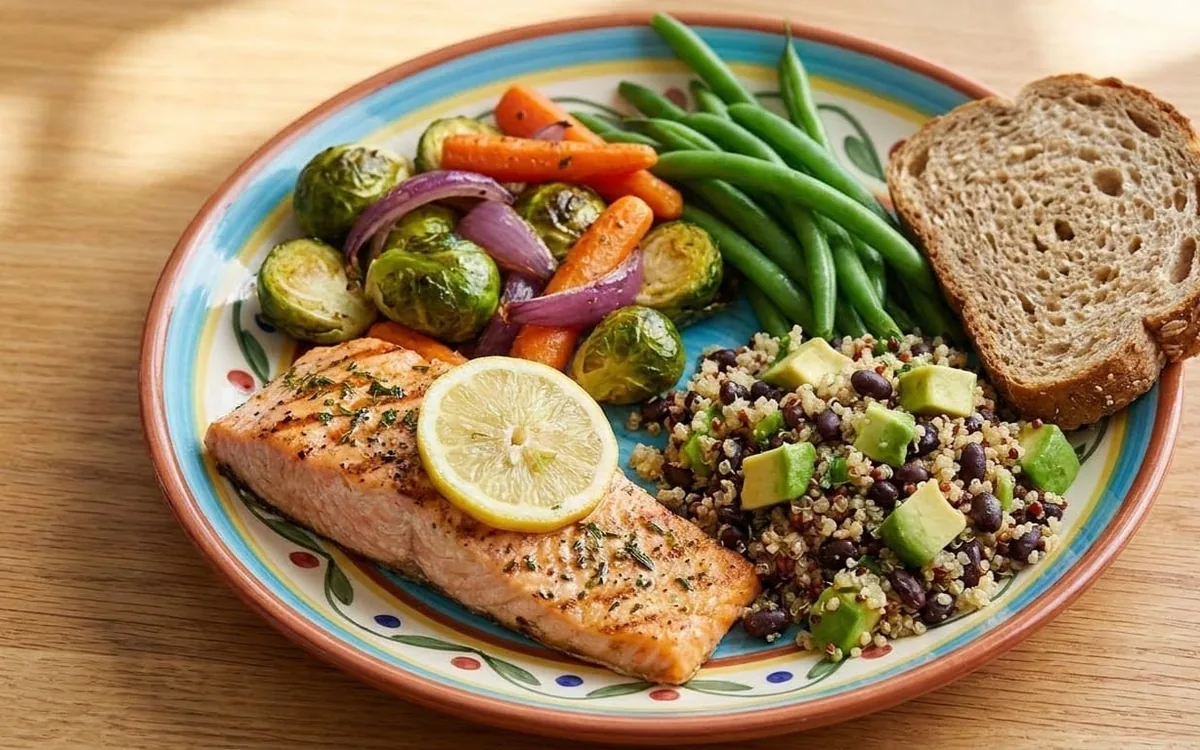
- Lunch: chicken, fish, tofu, beans or lentils.
- Snack: yogurt, milk, roasted legumes or another convenient protein food.
- Dinner: fish, meat, tofu, tempeh, beans or lentils.
Why spreading protein can be practical
Trying to eat nearly all of your daily protein in one meal can be uncomfortable and inconvenient. Dividing it across breakfast, lunch, dinner and perhaps one snack makes the target easier to approach while also giving each meal a clear purpose.
Protein quality and variety
Different protein foods bring different mixes of amino acids, vitamins and minerals. Using a variety of sources can make the overall diet more flexible. Beans and lentils can fit alongside dairy, eggs, fish, meat and soy foods depending on your preferences.
You do not have to fear normal foods
A bowl of dal, eggs with toast, yogurt and fruit or rice with tofu can all be ordinary, useful meals. Sports nutrition does not require every meal to look like a supplement advertisement.
Where shakes can help
A protein shake can be useful when travel, work or appetite makes food inconvenient. It is best viewed as a practical option rather than a requirement for progress.
Protein during fat loss
When total food intake is reduced, keeping protein intake adequate can be helpful for muscle maintenance. The right intake varies, and a more aggressive diet is not automatically safer or better.
Protein and kidney health
People with diagnosed kidney disease or another condition that affects protein needs should follow individualized clinical advice instead of applying a general fitness target on their own.
NIH nutrition guidance notes that active people often require more protein than the general minimum, but the exact amount should be matched to body size, training and health context.
Frequently asked questions
Do I need protein immediately after training?
You do not need to treat the post-workout minute as a magical deadline. A normal protein-containing meal later can fit well into an overall daily pattern.
Can plant foods provide enough protein?
Yes. Beans, lentils, soy foods, peas, nuts and other plant foods can contribute meaningful protein, especially when the overall diet is varied.
Is more protein always better?
No. Once needs are met, adding more is not automatically more useful, and individual health conditions can change what is appropriate.
Who this is for
Generally healthy adults looking for practical, evidence-informed guidance on this topic.
Who should be cautious
Anyone with a relevant injury, chronic condition, or who is pregnant should check with a qualified healthcare provider before applying this guidance.