Key takeaways
- There is no single perfect pre-workout meal; timing and food tolerance matter.
- Carbohydrate-containing foods can be useful before longer or harder endurance sessions.
- A moderate protein source can fit well into many meals before resistance training.
- Large, high-fat or very high-fiber meals may feel uncomfortable when eaten immediately before intense exercise.
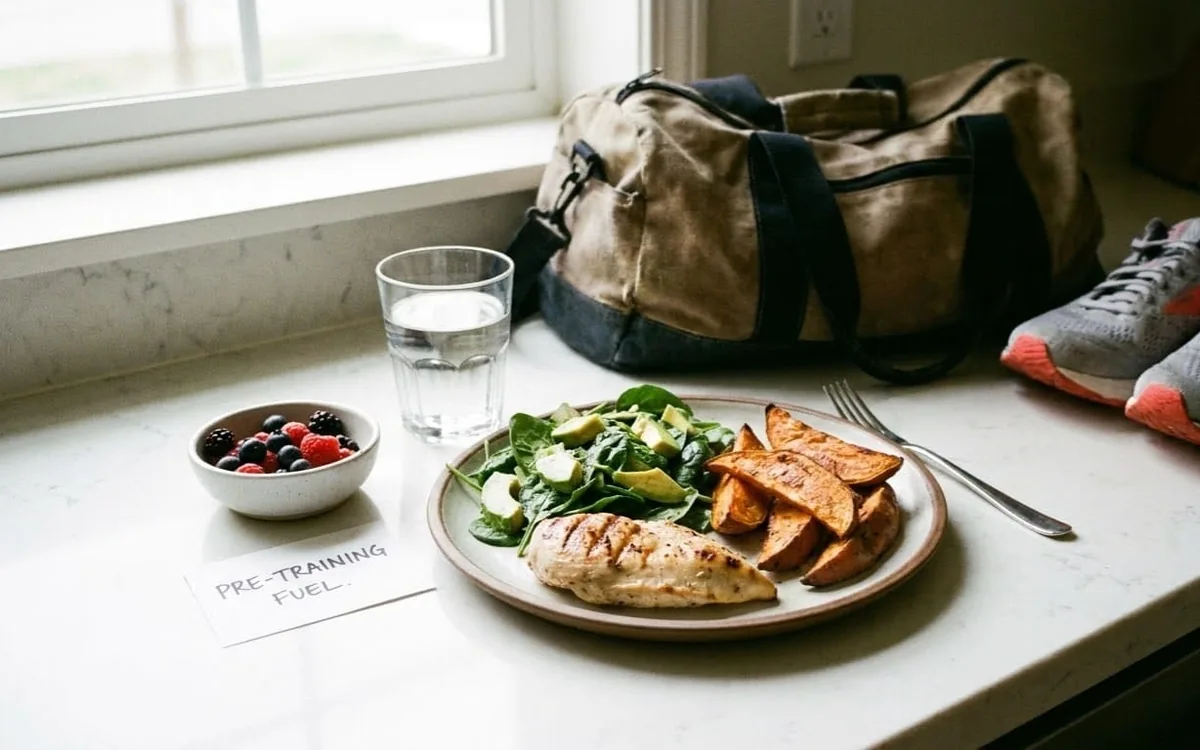
A useful pre-workout meal is one that fits the time before exercise, supports the session and feels comfortable. Carbohydrate and protein can fit into many meals, while shorter sessions may not require a special snack.
The best pre-workout meal is usually not the most complicated one. It is the meal or snack that gives you enough energy, sits comfortably in your stomach and fits the amount of time you have before training. What works for a long weekend session may be completely different from what works before a quick weekday workout.
Think about how much time you have
| Time before exercise | Practical idea |
|---|---|
| 2–3 hours | A normal balanced meal with carbohydrate, protein and fluids |
| 60–90 minutes | A smaller meal or snack that is easy to digest |
| 30–45 minutes | A light snack if you actually feel hungry or need the energy |
| Under 30 minutes | Optional; choose familiar, easy-to-digest foods rather than a large meal |
Build the meal around your session
For a long run, cycling session or demanding conditioning workout, carbohydrate-rich foods can be especially useful. For a strength session, a balanced meal with carbohydrate and protein can work well. On a short easy walk, you may not need a special pre-workout meal at all.
Easy food combinations
- Oats with yogurt and fruit.
- Rice with eggs and cooked vegetables.
- Toast with a protein-rich spread and fruit.
- A banana with yogurt.
- A simple sandwich when you have more time before training.
Keep your stomach in mind
A food can be nutritious and still be a poor choice right before training if it leaves you bloated or uncomfortable. Very large meals, greasy foods and unfamiliar high-fiber combinations are more likely to create problems when timing is tight. Your own tolerance matters.
Hydration does not need to be extreme
Drink normally throughout the day and have fluids with meals and around exercise according to thirst, conditions and the length of the session. There is usually no need to force large amounts of liquid immediately before a short workout.
Do you need supplements before training?
No. Supplements can have a role in specific situations, but they are not a requirement for a useful pre-workout meal. For many people, ordinary foods provide what they need.
What if you train early in the morning?
You do not have to force a full breakfast if that makes you uncomfortable. Some people prefer a small snack and a bigger meal afterward. Others feel fine training before breakfast. Use your energy, comfort and training quality as feedback.
The meal after training still matters
There is no need to treat the minutes after a workout as a magical deadline. Eating a normal balanced meal later can easily be part of a healthy routine. Total food intake across the day matters more than obsessing over one tiny window.
People with diabetes, gastrointestinal conditions, food allergies or other nutrition-related medical needs may require more individualized advice around exercise meals and timing.
Frequently asked questions
Should I always eat before working out?
No. It depends on the session, timing and your own appetite and tolerance. A short easy session often does not require a special meal.
Is fruit good before exercise?
Fruit can be a practical carbohydrate source before many types of exercise, especially when you want something light.
Do I need a protein shake before training?
No. A shake is a convenience option, not a requirement. Ordinary foods can supply protein too.
Who this is for
Generally healthy adults looking for practical, evidence-informed guidance on this topic.
Who should be cautious
Anyone with a relevant injury, chronic condition, or who is pregnant should check with a qualified healthcare provider before applying this guidance.